Published on: October 15, 2023

One of the most common challenges teachers and parents face is keeping children genuinely motivated to learn. Often, the simplest approach is overlooked: involving children in shaping their own learning experience. Academic growth should not be confined to the classroom; when learning extends into everyday life, children develop lasting internal motivation.
Here are 11 strategies that help spark and sustain a child's interest in learning.
How to Get Students Interested in Learning: 11 Strategies
Each strategy below works for both parents and teachers. The key is consistency and making learning feel like a natural part of daily life rather than a separate obligation.
-
Develop a Reading Atmosphere
Children who enjoy reading develop a love for learning because books open up endless possibilities. Read aloud together frequently and let children choose their own books. When reading feels like a choice rather than a chore, curiosity follows naturally.
-
Put the Child in Charge
When children are controlled too heavily, they withdraw from learning. Allowing them to have input into what and how they learn builds engagement. The more ownership a child feels over the process, the more motivated they become.
-
Encourage Open Communication

When children know their opinions matter, they feel reassured and open up. Honest conversations about what excites or frustrates them in school create a safe space where learning feels collaborative.
-
Focus on the Child's Interests
Ask your child which topics fascinate them, then find books, activities, or projects related to those interests. When learning connects to what a child already cares about, motivation comes effortlessly.
-
Encourage Different Learning Styles
Every child learns differently. Visual, auditory, verbal, physical, logical, social, and solitary learners all thrive when their preferred approach is respected and encouraged.
-
Share Your Enthusiasm for Learning
Enthusiasm is contagious. When children see parents and teachers excited about discovering something new, they mirror that energy. Take every opportunity to show that learning is a lifelong journey, not just a school requirement.
-
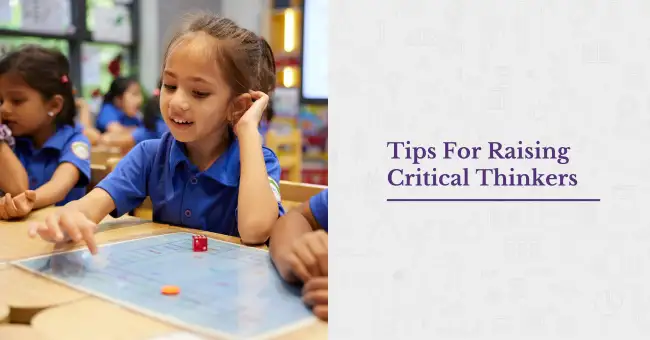
Use Game-Based Learning

Games provide opportunities for deeper learning and cognitive development. When a child is engaged in a game, the brain experiences the pleasure of mastering something new. Competitive and collaborative games alike motivate children to think critically and perform at a higher level.
-
Help the Child Stay Organised
Disorganisation leads to frustration and lost motivation. When children are organised, they feel in control and ready to engage. Simple habits like maintaining a timetable or keeping materials sorted make a real difference.
-
Celebrate Achievements
Recognising accomplishments, no matter how small, builds morale and reinforces effort. A word of appreciation or a simple reward can go a long way in keeping a child motivated.
-
Focus on Strengths
Rather than dwelling on weaknesses, help children recognise what they do well. Confidence in one area often spills over into others. When a child believes they have the potential to succeed, healthy risk-taking and effort follow naturally.
-
Make Every Day a Learning Day

Learning does not have to stop when the school bell rings. Turning everyday moments into opportunities for discovery, through cooking, nature walks, or conversations about the news, helps children see learning as a continuous part of life.
What Makes These Strategies Work?
The common thread across all 11 strategies is autonomy and relevance. Children engage when they feel in control of their learning and when the content connects to their world. A comparison of passive and active approaches makes this clearer.
| Passive Approach | Active Approach |
|---|---|
| Lecturing without discussion | Asking open-ended questions and encouraging dialogue |
| Assigning topics without choice | Letting the child select subjects that interest them |
| Correcting mistakes without context | Celebrating effort and guiding improvement constructively |
| Keeping learning inside the classroom | Extending learning into daily routines and family activities |
| Focusing only on grades | Recognising curiosity, effort, and progress alongside results |
When parents and teachers shift toward active strategies, children respond with greater enthusiasm and self-direction.
For more practical tips for parents on supporting learning at home, a closer look at everyday approaches can help.
Begin the Conversation
Helping a child fall in love with learning is one of the most meaningful things a parent or teacher can do. If you would like to see how JBCN nurtures curiosity, confidence, and a genuine love for learning across all five campuses, get in touch with us to book a campus visit.
Frequently Asked Questions
-
What strategies can teachers use to increase students' interest in learning?
Teachers can create a dynamic learning environment by incorporating hands-on activities, game-based learning, and student-led discussions. Encouraging curiosity, fostering open communication, and making learning relevant to students' interests can also enhance engagement.
-
How does personalized teaching impact student engagement?
Personalized teaching allows students to learn at their own pace and in ways that suit their unique learning styles. This approach makes learning more meaningful and enjoyable, leading to greater motivation and academic success.
-
Why is curiosity important in a student’s learning process?
Curiosity drives students to ask questions, seek answers, and explore new ideas, making learning a continuous and self-motivated process. When curiosity is nurtured, students develop critical thinking skills and a lifelong love for learning.
-
How can parents support their child’s interest in learning at home?
Parents can encourage learning by creating a stimulating environment with books, puzzles, and creative activities. Engaging in discussions, celebrating achievements, and supporting their child's natural interests can help sustain their enthusiasm for learning.
-
What Is Interest in Education?
Interest in education refers to a child's natural curiosity and internal motivation to engage with learning. When a child is genuinely interested, they seek out knowledge, ask questions, and participate actively. Nurturing interest is more sustainable than relying on external rewards alone.
-
How Can a Student Get Interested in Studies?
Connecting study material to real-life interests, using game-based and hands-on approaches, and giving children a say in what they learn all help build genuine interest. A supportive environment where effort is recognised and mistakes are treated as part of growth also plays a significant role.
-
How to Make Children Interested in Studies?
Let children choose topics that excite them, create a reading-friendly environment at home, and use game-based learning to make study sessions enjoyable. When a child feels their opinion matters, and learning is fun, they become self-motivated. Celebrating small achievements and connecting lessons to real-life situations also helps sustain interest over time.
Share