Published on: October 15, 2023
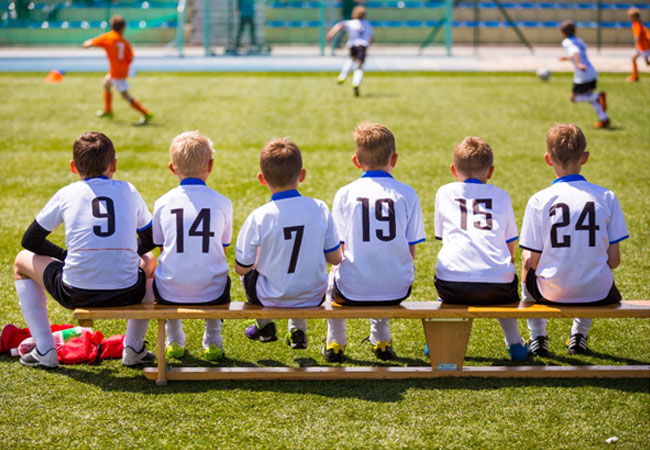
Everyone talks about the importance of fitness and exercise for kids, including us. But today, let's go deeper than the obvious. Playing a sport is a great way for children to take a break from academics and release pent-up energy. It helps them lead fuller, happier lives. Regular sports and physical activity have proven to deliver not only physical benefits but also social, psychological, and academic ones.
The benefits of sports for students go well beyond the scoreboard. Below is a comprehensive look at what your child gains by playing sports or engaging in regular physical activity.
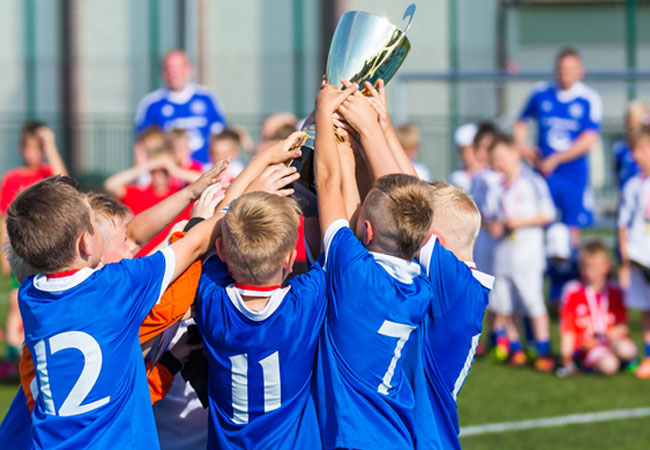
Why Are Sports Important for Mental and Emotional Development?
The importance of sports and games in a child's life is often discussed in terms of fitness, but the mental and emotional case is equally strong. Sports play a vital role in building resilience, regulating mood, and helping young learners process the pressures of academic and social life. Regular physical activity triggers the release of endorphins, which naturally elevate mood and reduce feelings of anxiety and depression.
The mental and emotional benefits of sports for learners include:
- Emotional regulation. Whether it is the frustration of a missed goal or the joy of a team victory, learners develop the ability to manage their feelings and respond constructively rather than react impulsively.
- Sense of accomplishment. Setting a personal best, mastering a new skill, or contributing to a team effort builds emotional confidence that extends well beyond the playing field.
- Positive self-image. Regular achievement in sports helps learners develop a healthier relationship with their own abilities and self-worth. A pat on the back from a teammate, a high-five, or a word of praise from a coach reinforces self-esteem in a way few classroom activities can replicate.
- Stronger coping mechanisms. Facing setbacks in sports teaches learners to recover, adapt, and approach challenges with resilience rather than avoidance.
Over time, these experiences nurture emotional maturity and mental strength, qualities that serve learners throughout their academic journey and adult life. The emotional foundations built in childhood shape how children respond to pressure, relationships, and adversity long into adulthood.
How Do Sports Help in Developing Social Skills?
Participating in sports naturally places learners in environments where communication, cooperation, and mutual respect are essential. Every interaction on the field, from strategising with teammates to accepting decisions from referees and coaches, strengthens interpersonal abilities. This is one of the less visible yet most lasting advantages of playing sports regularly from a young age.
Key social skills that learners develop through sports include:
- Collaboration. Team sports teach learners to value diverse strengths and work towards a shared goal, putting collective success above individual recognition. There is no "I" in team, and children internalise this truth early.
- Conflict resolution. Disagreements in the field teach learners to address differences constructively and find common ground under pressure.
- Empathy and encouragement. Learners discover how to celebrate others' success, offer support during setbacks, and build bonds that often extend into lasting friendships.
- Communication. Coordinating plays, motivating teammates, and engaging with coaches all sharpen verbal and non-verbal communication skills.
Learners who may find social interaction challenging in a classroom setting often thrive in the informal and energetic environment of sports, using it as a comfortable space to build confidence and connect with peers. These social skills every child needs are not taught in a single lesson; they are built gradually, through repeated real-world interaction.
What Life Skills Do Sports Build in Learners?
Beyond emotional and social development, sports quietly embed a set of character traits that stay with a child for life.
- Discipline. Every sport requires mental, physical, and tactical discipline, following rules, obeying the coach, and practising restraint. Discipline enables people to reach their full potential, a trait found in every successful individual.
- Patience and perseverance. Practice makes perfect, but practice and perfection both require patience. Sports teach children to keep going through highs and lows, building resilience and critical thinking skills they carry into every future challenge.
- Respect for authority. Accepting decisions, following rules, and taking direction from coaches and referees builds a habit of respectful engagement that transfers directly into adult life.
- Leadership. Becoming captain, or aspiring to, teaches children how to communicate with teammates, manage emotions within a group, and put the team before the self. These instincts extend well beyond the pitch.
- Accepting defeat graciously. In sports, as in life, one cannot win all the time. Learning to lose graciously, get back up, and try again is one of the most transferable lessons sport delivers.
- Lifelong healthy habits. Sports instil an awareness of diet, rest, and physical care that children carry into adulthood, keeping lifestyle-related health issues at bay.

How Do Sports Benefit Learners Academically?
The importance of sports in school is perhaps most clearly seen in how it feeds back into the classroom. Regular participation in sports improves blood circulation to the brain, enhancing cognitive functions such as memory, concentration, and problem-solving. The benefits of sports extend well into academic performance, and the evidence for this is consistent.
Here is how sports contribute to stronger academic outcomes:
- Improved focus and retention. Learners who are physically active tend to demonstrate better concentration in the classroom and stronger retention of information during examinations.
- Structured study habits. The discipline and goal-setting habits developed through sports translate directly into more organised study routines, which is why managing time effectively is a skill that athletes often master ahead of their peers.
- Prevention of burnout. Sports provide a necessary mental break from academics, keeping learners refreshed, motivated, and less prone to fatigue.
- Greater academic confidence. The self-belief gained through athletic achievement carries over into the classroom, making learners more willing to take on challenges and push beyond their comfort zones.
Sports and academics are not competing priorities; they complement and strengthen each other.

What Are the Physiological Benefits of Sports for Students?
The physical case for sport is just as strong. Here is what regular physical activity does for a child's body:
- Reduced risk of obesity. The more active a child is, the more calories they burn, preventing fat accumulation and reducing the risk of obesity-related conditions.
- Stronger cardiovascular health. The heart is a muscle. Like all muscles, it becomes stronger and more efficient with regular challenge, reducing the long-term risk of heart disease.
- Healthy bone and muscle growth. Physical stress from exercise strengthens muscles, ligaments, tendons, and bones, and increases bone density, reducing the risk of conditions like osteoporosis later in life.
- Better lung capacity. Regular exercise improves lung efficiency, increasing oxygen intake and expelling carbon dioxide more effectively.
- Regulated blood sugar and blood pressure. Exercise triggers muscles to convert blood glucose into energy, keeping sugar levels stable and helping manage stress-related blood pressure.
- Improved sleep. Physical exertion improves both the quality and duration of sleep, reducing the risk of disorders such as insomnia and sleep apnoea.
- Higher energy levels. Regular physical activity makes children more energetic throughout the day and less prone to fatigue.
- Improved coordination and balance. Hand-eye and foot-eye coordination develop naturally as children learn and refine the movements required in any sport.
- Cancer risk reduction. Research shows regular physical activity lowers the incidence of certain cancers, including colon, prostate, uterine, and breast cancer.
- Natural happiness boost. Physical stimulation releases beta-endorphins and raises serotonin levels, reducing mental depression and contributing to a genuine, sustained sense of well-being.
Sport is one dimension of a child's overall wellness. Play and structured activity in the early years lay the physical and cognitive groundwork that sport continues to build on through school.
How Do Sports Nurture Well-Rounded Learners?
The benefits of sports are cumulative; physical strength, emotional resilience, social confidence, and academic focus all develop in parallel. At JBCN International School, sports are an integral part of the EduCreative Programme, helping every child grow into a confident and well-rounded individual.
Enquire now to learn how JBCN International School integrates sports into its holistic learning experience.
Frequently Asked Questions
-
Q. How do sports improve physical health in learners?
Regular sports participation strengthens the cardiovascular system, builds bone density, improves coordination, and helps maintain a healthy weight, reducing the risk of obesity and lifestyle-related conditions.
-
Q. What role do sports play in teaching teamwork and discipline?
Sports require learners to follow rules, respect coaches, and work collaboratively towards shared goals, naturally building discipline, accountability, and the ability to function effectively within a team.
-
Q. How can participation in sports benefit academic performance?
Physical activity enhances blood flow to the brain, improving memory and concentration. The discipline and time management skills gained through sports also directly support stronger academic habits.
-
Q. Why are extracurricular sports important for the overall development of learners?
The importance of sports in school goes beyond fitness. Sports develop emotional resilience, social skills, and character traits like perseverance and leadership, contributing to well-rounded growth that extends far beyond the classroom.
-
Q. What are the psychological benefits of engaging in sports?
Sports reduce stress and anxiety, boost self-confidence, promote emotional regulation, and trigger the release of endorphins, all of which contribute to improved mental well-being in learners.
-
Q. Why is sportsmanship important for learners?
Sportsmanship teaches learners to compete with integrity, respect opponents, and handle both victory and defeat graciously. These values shape ethical behaviour in all areas of life.
-
Q. Can sports help learners deal with stress and anxiety?
Yes, physical activity is a proven stress reliever that lowers cortisol levels and releases mood-enhancing endorphins, helping learners manage academic pressure and emotional challenges more effectively.
-
Q. What is the difference between sports and physical education?
Physical education is a structured part of the school curriculum focused on overall fitness and movement skills. Sports involve organised competitive activities that build specific athletic abilities alongside teamwork and discipline.
-
Q. What are the benefits of playing sports for learners?
The advantages of playing sports span physical health, mental resilience, social development, and character building, making them one of the most impactful activities for a learner's holistic growth.
-
Q. How many hours of physical activity should a school-going learner get per day?
Health experts recommend at least 60 minutes of moderate to vigorous physical activity daily for children and adolescents to support healthy growth, fitness, and cognitive development.
Share