Published on: October 15, 2023

Children need a chance to develop their capability to to cope with the pressure and hardships gradually. As responsible adults, do we allow them to? In most cases, adults blanketed under their own matters have very little time for children to actually help them through their turmoil. Very often, we end up removing the threat of danger to keep our children safe, but along with it, we take away experiences needed for developing a healthy approach toward life itself.
Allowing Children to Dream Their Own Dreams
We expect children to meet our requirements and fulfill our dreams, but we forget that they have aspirations of their own. The result often leads to grim statistics like, “Student suicides: The silent epidemic claims 150 in 2017-18” (TOI: Mar 12, 2018). Should we hold ourselves responsible for such irrational behavior, or should we pass the blame on to peer pressure?
As adults, we often desire something bigger or better—a higher income, more fame, or power—and this non-acceptance of the present self propels us into the rat race. Unfortunately, we tend to drag our children into this as well.
Teaching Children to Look Within for Solutions
Teaching our children to focus solely on marks to gain admissions to desired institutes often serves only to satisfy our own egos. As Einstein aptly stated, “An exaggerated competitive attitude is inculcated into the student, who is trained to worship acquisitive success as a preparation for his future.”
To help children truly stand the test of time, we must guide them to look within for solutions. This requires shifting focus from the external world to the inner self, accepting who we are instead of aspiring to be something else. When we practice self-awareness and acceptance, we teach children that failure cannot harm them, and pressure cannot destroy a precious life.
Seeing Every Obstacle as an Opportunity
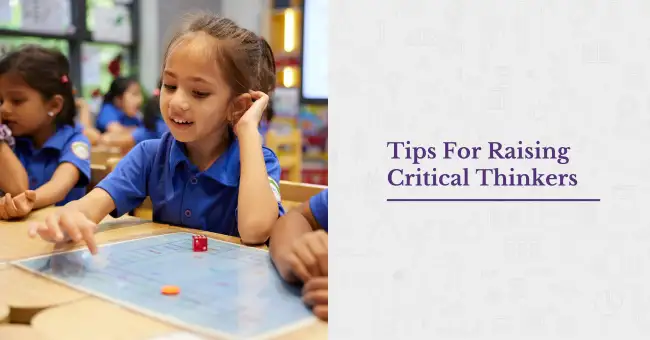
Instead of removing obstacles from our children’s paths, we should help them see every challenge as an opportunity to grow. The 21st-century workplace doesn’t just require individuals to catalogue objects in the name of learning but demands critical thinkers who can communicate effectively and solve problems in a globalized world.
Urvashi Sen - Faculty- Economics
JBCN International School Borivali
FAQs
-
What are the common causes of mental pressure in children?
Mental pressure in children often stems from academic demands, peer pressure, societal expectations, and a lack of emotional support. Overemphasis on achievements can amplify stress levels.
-
How can parents recognize signs of stress in their child?
Parents can identify stress through signs like mood swings, withdrawal from social activities, frequent physical complaints, declining academic performance, or loss of interest in previously enjoyed activities.
-
What techniques can help children handle mental pressure?
Parents can encourage open communication, teach mindfulness techniques, and promote creative and physical activities. Helping children view obstacles as opportunities can also foster resilience.
-
How can schools create a stress-free environment for students?
Schools can reduce stress by prioritizing holistic development and offering programs like mental health awareness, peer counseling, and workshops on stress management and life skills.
-
When should professional help be sought for a child’s mental health concerns?
Professional help should be sought if a child shows prolonged signs of distress, such as withdrawal, aggressive behavior, or expressions of hopelessness. Early intervention is essential to support the child’s well-being.
Share