Published on: October 15, 2023
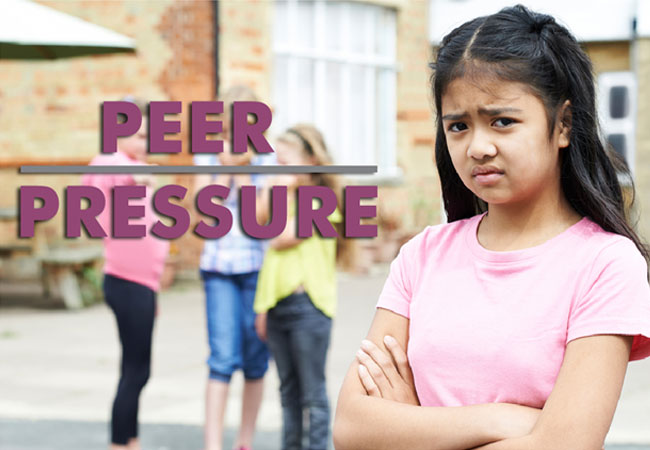
Wanting to fit in is one of the strongest motivators in a child's life. Peer pressure for students can shape choices about risk, honesty, and self-respect. Understanding peer pressure in students and teaching effective peer pressure solutions early makes all the difference.
What Is Peer Pressure?
Peer pressure is the influence that individuals within the same social group have on each other's behaviour. For children, peers include classmates, teammates, and online connections.
Peer pressure is not always harmful. Positive pressure encourages healthy habits. Negative pressure pushes children toward behaviour they would not normally choose, often out of fear of rejection.
Types of Peer Pressure
Peer pressure takes different forms, and not all of them are obvious.
| Type | How It Works | Example |
|---|---|---|
| Direct and Spoken | A peer openly asks or tells your child to do something | "Just try one sip, nobody will know." |
| Direct and Unspoken | Behaviour is expected without words, often through gestures or actions | Handing a child a cigarette at a gathering without asking |
| Indirect | Subtle, implied influence based on what others are doing | A child changes their behaviour after seeing peers' posts about parties online |
| Positive | Peers encourage constructive choices | A friend group that studies together before exams |
Children often experience indirect pressure without realising it, especially through social media. A guide on navigating the digital world can help families address this early.
Tips for Parents: How to Deal with Peer Pressure
How to deal with peer pressure starts at home, long before a child faces a difficult situation.
Stay Calm and Listen
When your child shares something troubling, resist the urge to lecture. Stay calm and help them think through consequences. A child who feels heard is more likely to come to you again.
Set Clear Family Values
Household values like "we are kind to each other" and "we always tell the truth" give children an internal compass. When a situation arises, these values become the reference point.
Get to Know Your Child's Friends

Invite friends over for a meal or activity. Observe group dynamics without being intrusive. If a friendship feels concerning, address it sensitively.
Agree on a Bailout Phrase

A pre-arranged phrase like "I forgot about that, I'm on my way" gives your child a discreet way to exit a difficult situation.
How to Say No to Peer Pressure
Saying no is a skill that improves with practice. Parents can rehearse responses with their child so the reaction comes naturally.
- Stop and think: teach your child to pause and consider consequences before reacting.
- Say no clearly: practise assertive sentences like "No thanks, that's not for me."
- Walk away calmly: a redirect ("I'm heading home, come if you want") avoids confrontation.
- Offer an alternative: suggesting a different activity shifts the group's direction.
- Use humour: a well-placed joke can defuse pressure without making things awkward.
Children who develop critical thinking skills are better equipped to evaluate situations and trust their own judgement.
Warning Signs Your Child May Already Be Struggling
Peer pressure in students does not always announce itself. Signs that your child may be affected include:
- Sudden changes in mood, behaviour, or friend group.
- Withdrawal from family conversations or activities.
- Declining academic performance.
- Secretiveness about where they are going or who they are with.
- Appearing anxious after social interactions.
If multiple signs persist, a calm conversation is the right first step. Reading about helping children handle mental pressure offers a deeper look at building resilience.
Begin the Conversation
Peer pressure is not something children outgrow on their own. Open, ongoing conversations at home build the foundation for a child who can stand firm.
Enquire Now to explore how JBCN supports social-emotional growth in every Learner.
Frequently Asked Questions
-
What Is Peer Pressure and How Does It Affect Students?
Peer pressure is the influence a peer group exerts on an individual to change their behaviour to fit in. Pressure can affect decision-making, self-esteem, and academic focus.
-
How Can Students Identify Peer Pressure?
Children can identify peer pressure when they feel uncomfortable or conflicted about doing something just to gain approval. If a request makes them hesitate or goes against what they know is right, that is usually a signal that pressure is at play.
-
What Are Effective Ways to Deal with Peer Pressure?
Pausing before reacting, saying no clearly, walking away from risky situations, offering alternative activities, and using humour to deflect are all effective strategies. Practising these responses at home prepares children to respond confidently.
-
How Can Parents Support Children Facing Peer Pressure?
Parents can support children by listening without judgment, reinforcing family values, practising assertive responses together, and monitoring social interactions without being controlling. Rewarding honesty and healthy choices reinforces the behaviours you want to see continue.
-
What Is Peer Pressure for Kids?
Peer pressure for kids is the influence children experience from classmates or social groups to behave in a certain way. Pressure can be positive (encouraging good habits) or negative (pushing toward risky behaviour).
-
How Can Students Say No to Peer Pressure?
Practising clear, confident responses ahead of time is the most effective approach. Children can say "no thanks" firmly, suggest an alternative activity, walk away calmly, or use humour to redirect the conversation.
-
How Do You Handle Peer Pressure for Kids at Home?
Set clear family values that give children a decision-making framework. Keep communication open and non-judgmental. Get to know your child's friends, role-play difficult scenarios, and acknowledge your child whenever they make a healthy choice.
-
What Are Positive Ways to Deal with Peer Pressure?
Positive strategies include pausing before reacting, choosing friends who share similar values, staying involved in confidence-building activities, and talking openly with a trusted adult.
Share