
Published on: January 29, 2025
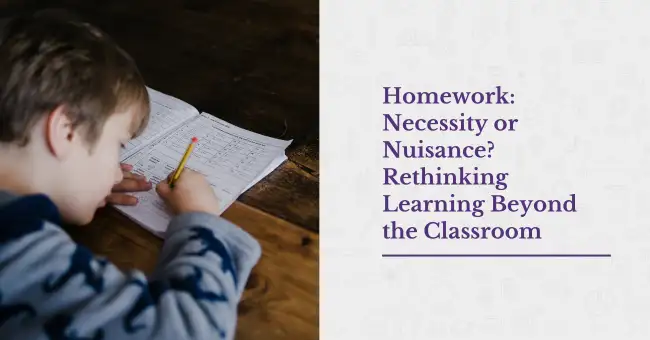
Have you ever wondered who came up with the idea of homework? Was it a stroke of genius or just a tradition that has evolved over centuries? The concept of homework dates back thousands of years, intricately woven into the evolution of education. Over time, it has sparked countless debates among educators, learners, and parents alike. Is homework the secret ingredient to academic success, or is it an outdated practice in desperate need of reform? Let’s dive into the pros and cons of homework, its place in today’s educational landscape, and creative strategies to make learning more enjoyable and meaningful.
Building Skills and Bridging Gaps: The Bright Side of Homework
Homework continues to play a crucial role in reinforcing what children learn at school, helping them develop life skills and building a connection between home and the classroom. Here are some key advantages:
1. A Boost for Brainpower
Homework provides opportunities for learners to revisit and practice concepts introduced in class. Particularly in subjects like mathematics and language arts, consistent practice helps learners master foundational skills. It serves as a "mental gym," enhancing problem-solving abilities and critical thinking.
2. Cultivating Essential Life Skills
Tackling homework helps children develop essential skills like time management, discipline, and perseverance. These skills are invaluable not just for academic success but also for their future careers and personal lives.
3. Strengthening the Parent-Child Bond
Homework gives parents a window into their child’s learning journey. Reviewing assignments together helps parents understand their child’s strengths and challenges, fostering stronger home-school connections.
4. Improved Academic Outcomes
Research shows that well-designed homework positively impacts academic performance, especially for older learners. It builds the foundation for standardised test success and college readiness.
5. Preparation for Real-World Challenges
Homework fosters independence and resilience, crucial traits in today’s fast-evolving world. By tackling assignments independently, learners develop problem-solving skills that prepare them for future challenges.
Overloaded and Overwhelmed: The Downside of Homework
While homework has its advantages, it’s not without its drawbacks. For many students, it can be a source of stress rather than a tool for growth. Let’s examine the challenges:
1. Homework Overload and Wellness Concerns
Excessive homework can lead to stress, burnout, and an unhealthy work-life balance for learners. It may limit their time for extracurricular activities, social interactions, and rest—critical elements for holistic development.
2. The Homework Gap
In today’s technology-driven era, homework often depends on access to devices and the internet. Unfortunately, learners from marginalised communities may lack these resources, widening the achievement gap and leaving them at a disadvantage.
3. Questionable Effectiveness for Younger Learners
Research by education advocate Alfie Kohn (2006) revealed no significant link between homework and academic performance in elementary school. In some cases, learners who skipped homework performed just as well. Kohn argued that "kids should have a chance to just be kids," highlighting the need for balance.
4. Negative Impact on Health
Excessive homework has been linked to health issues such as headaches, sleep deprivation, and stomach problems. For many high school learners, it is a primary source of stress, leading to unhealthy coping strategies like cheating.
5. Loss of Interest and Creativity
Monotonous and repetitive homework tasks can stifle enthusiasm for learning. When the focus shifts to completing assignments, learners miss opportunities for creative exploration and critical thinking.
The Homework Debate: Striking a Balance
Should homework be abolished altogether? The answer lies somewhere in between. While critics highlight its potential to cause stress and hinder creativity, supporters argue that homework reinforces learning and builds responsibility. Modern approaches like project-based learning and flipped classrooms offer alternatives that inspire curiosity and active engagement. The key is balance. As educators, our goal should be to design assignments that enrich learning without overwhelming learners or diminishing their love for education.
Homework Made Easy: Smart Strategies for Stress-Free Success
Let us say goodbye to homework headaches and hello to smarter, more exciting ways to tackle your tasks! Check out these exciting strategies that make homework a breeze—and maybe even something to look forward to.
1. Set a Homework Routine: Pick a regular time each day, then turn homework into a mini-challenge—like a race against the clock! Break big tasks into bite-sized pieces to stay on track.
2. Tackle Tough Stuff First: Start with the hardest assignment while your brain’s on full power. You’ll feel like a champion when it’s done!
3. Create a Distraction-Free Zone: Make homework time special with a quiet, cozy corner—no phones, no screens, just focus and enrich.
4. Turn Planning into a Game: Transform your planner into a mission tracker! Set deadlines as “level targets" to conquer, and aim to finish each task ahead of schedule. Earn bonus points (or a small reward like a treat or extra playtime) to complete your goals early. Watch your "success streak" grow as you level up your homework game!
5. Keep it Tidy: Organize your desk like a quick scavenger hunt. A neat workspace means less stress and more success!
6. Take a break: For every 20 minutes of homework, reward yourself with a quick dance-off or a pet cuddle. You’ll come back refreshed and ready. The Pomodoro Technique is a time-management method where tasks are broken into 25-minute focused work intervals (Pomodoros) followed by 5-minute breaks. After four Pomodoros, take a longer break to recharge and boost productivity!
7. Ask for Help: Got a tricky question? Turn it into a mini-quiz with friends or family. Working together makes tough stuff motivating!
8. Stay Motivated: Think of homework as a level-up in your skills game. Each task gets you closer to being a superstar in class and beyond.
9. Rest Like a Pro: Sleep is your secret weapon. Get enough zzz’s to wake up ready to crush the next day’s homework.
Final Thoughts: Rethinking Homework for a better future
When balanced and meaningful, homework remains a valuable extension of classroom learning. It bridges the gap between academic knowledge and life skills, preparing learners for future challenges. However, it is crucial to rethink traditional practices and adopt strategies prioritising learners’ well-being and engagement. By fostering curiosity, creativity, and resilience, we can ensure that homework becomes a tool for growth rather than a source of stress.
References
Blue Bells. (2023). Is homework important? Advantages and disadvantages. Retrieved from https://thebluebells.org
Do My Assignments. (2023). Should students have homework? Retrieved from https://domyassignments.com
Kohn, A. (2006). The truth about homework. Retrieved from https://mcef.org/Readings/A%20Kohn%201.pdf
Oxford Learning. (2023). The pros and cons of homework. Retrieved from https://www.oxfordlearning.com
Time for Kids. (2023). Do kids need homework? Retrieved from https://www.timeforkids.com
University of the People. (2023). The pros and cons of homework. Retrieved from https://www.uopeople.edu
Written by:
Rashida Pardawala and Sakina Chitalwala
JBCN International School, Parel
FAQs
-
How do students perceive homework—necessity or nuisance?
Most students label homework a nuisance due to stress and workload. However, when meaningful and age-appropriate, homework transforms from nuisance into necessity.
-
What makes parents debate homework as a necessity or nuisance?
Parents often struggle with late nights and frustration, sparking the homework necessity or nuisance debate. Clarity in objectives helps tip the scale toward homework as a necessity.
-
Does homework enhance discipline or function as a nuisance?
Discipline improves when homework is structured, suggesting it’s a necessity. But if it's repetitive and unclear, it leans more toward being a nuisance than beneficial.
-
Are there alternatives that make homework less of a nuisance and more of a necessity?
Project-based learning and practical assignments shift homework from nuisance to necessity. Tailoring tasks to real-world skills enhances the necessity of homework.
Share