
Published on: August 27, 2026
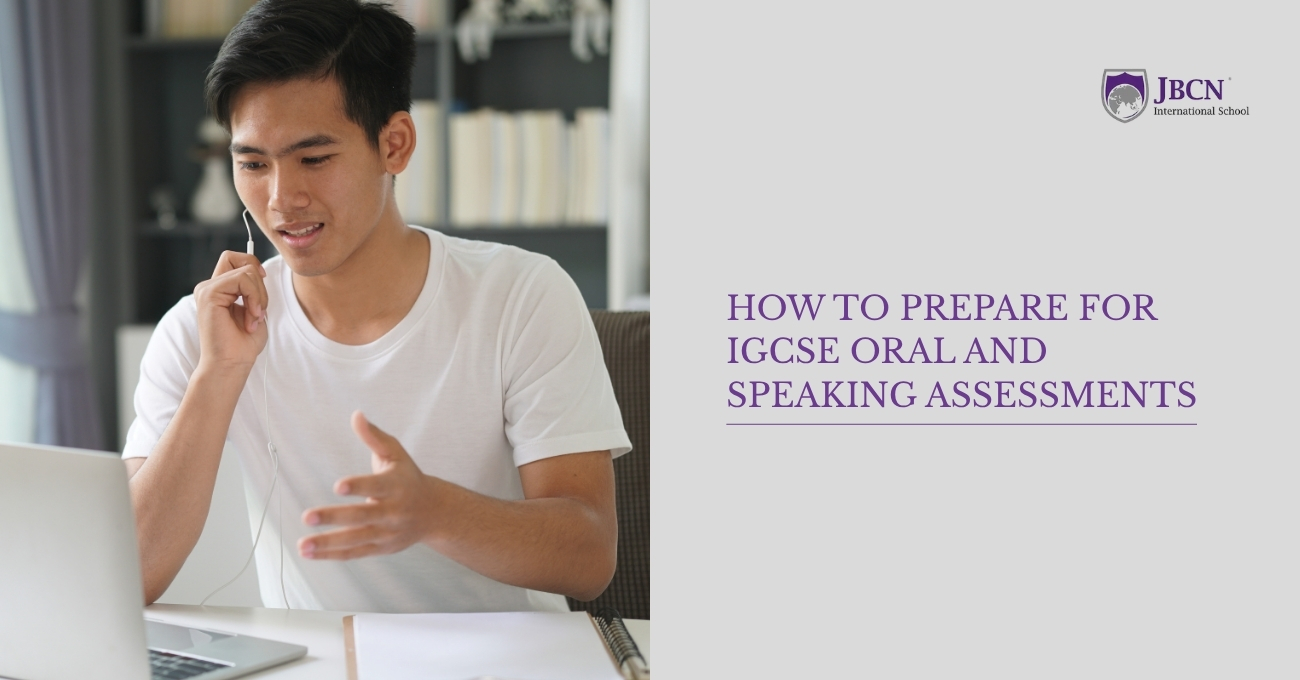
Speaking exams make even confident Learners nervous, because there is no time to redraft an answer. The good news is that IGCSE oral assessments reward preparation and practice far more than natural talent. Here is a simple way to get ready, build confidence, and speak well on the day.
What Is The IGCSE Speaking Assessment
The IGCSE speaking assessment is a short spoken test, usually a conversation with a teacher or examiner, that measures how well a Learner communicates in a language. The test forms part of the Cambridge IGCSE programme in English and in foreign languages.
For background, a wider guide to the Cambridge IGCSE board sets the scene.
What The Test Usually Involves
Most IGCSE speaking tests open with a short warm-up chat to settle nerves, which is often not marked. The assessed part is usually a conversation or discussion on set topics, and some syllabuses add a short presentation or role play. Formats differ, so always check your exact Cambridge syllabus with your teacher.
How It Is Marked
Examiners listen for a few clear things rather than perfect speech. Fluency, pronunciation, range of vocabulary, grammar, and how well you develop your ideas all count, so the aim is to communicate clearly and keep the conversation going.
How To Prepare For Your IGCSE Speaking Assessment
Good preparation is steady rather than last-minute, and it looks a lot like everyday practice. Pairing these habits with solid study routines makes the biggest difference.
Speak The Language Every Day
Little and often beats last-minute cramming for any spoken skill. Chat in the language at home, describe your day, or talk through the news, so speaking starts to feel natural well before the test. Even five minutes of real conversation a day adds up quickly over a term.
Build A Wider Vocabulary
A richer vocabulary lets you say exactly what you mean under pressure. Pick up a few useful words and phrases each week, group them by topic, and practise using them in real sentences.
Work On Pronunciation And Pace
Clear pronunciation matters more than a perfect accent, so focus on being understood. Record yourself, listen back, and slow down slightly, since rushing is a common way nerves show. Focus on the sounds you find hardest, and practise them in short, simple phrases first.
Practise Developing Your Ideas
One-word answers score poorly, so stretch each reply with a reason or an example. A simple habit is to answer, then add because or for example, which keeps you talking naturally. The more you explain your thinking, the more chances the examiner has to reward you.
Rehearse With Past Topics
Practising with real topics removes most of the surprise on the day. Ask a teacher, parent, or friend to run a mock conversation, and use active learning habits like recording and reviewing your answers.
Managing Nerves On The Day
Some nerves are normal and even helpful, so the goal is to steady them rather than remove them. A few simple habits keep you calm and focused.
- Breathe slowly for a minute before you go in
- Treat the warm-up chat as a friendly conversation, not a test
- Listen carefully so your answers actually fit the question
- Pause for a moment to think rather than filling silence with filler sounds
- Remind yourself that small slips will not sink your score
Common Mistakes To Avoid
A few habits quietly cost easy marks, and all of them are simple to fix with practice. Watch out for these in your mock tests, since fixing even one or two can noticeably lift your score.
- Giving one-word or very short answers
- Memorising a script that ends up sounding unnatural
- Speaking too fast when nervous
- Going silent instead of rephrasing when stuck
- Worrying so much about tiny errors that fluency drops
How JBCN Builds Speaking Confidence
At JBCN, speaking is built into everyday learning rather than saved for exam season. As an international school in Mumbai, its classrooms give Learners regular practice at talking, presenting, and debating. That daily practice means the speaking test feels familiar rather than frightening.
- The Cambridge IGCSE programme is taught with discussion and presentation as a normal part of lessons
- Experience-led learning through the EduCreative approach includes projects, debate, and public speaking
- Skill-based activities through iPROPEL give Learners a stage for drama, Model UN, and performance
- The secondary programme builds spoken confidence steadily from the middle years upward
Take The Next Step
Confident speaking is a skill that grows with practice and a supportive classroom. Come and see how our facilitators help Learners find their voice, in exams and well beyond them.
Speak with our admissions team at the JBCN campus nearest you.
Frequently Asked Questions
-
What Is The IGCSE Speaking Assessment
The IGCSE speaking assessment is a short spoken test, usually a conversation with a teacher or examiner. The test measures how clearly a Learner communicates in a language, covering fluency, pronunciation, vocabulary, and grammar. Speaking components appear in English and in foreign languages such as French and Spanish.
-
How Long Is The IGCSE Speaking Test
Most IGCSE speaking tests last around ten to fifteen minutes, including a short warm-up. The exact length and format depend on the syllabus, so check yours with your teacher. The assessed conversation is usually the main part.
-
How Can I Improve My IGCSE Speaking Skills
Speak the language a little every day, build topic vocabulary, and develop your answers with reasons and examples. Record yourself to check pronunciation and pace. Regular mock conversations remove most of the nerves.
-
Is Pronunciation Or Fluency More Important
Both matter, but being understood matters most, so aim for clear pronunciation rather than a perfect accent. Fluency comes from keeping the conversation going, even after a small slip. Examiners reward communication over flawless speech.
-
How Do I Stay Calm During The Speaking Exam
Breathe slowly beforehand, and treat the warm-up as a normal chat to settle in. Listen carefully, pause to think, and answer in full rather than rushing. Small mistakes will not ruin your score, so keep going.
-
Do Small Grammar Mistakes Lower My Score
Minor slips are normal and rarely cost much, since examiners look at your overall communication. Speaking fluently and developing your ideas matters more than avoiding every error. Avoid stopping mid-sentence to correct tiny mistakes.
-
Which IGCSE Subjects Have A Speaking Assessment
Speaking components appear in English, both first and second language, and in foreign languages such as French, Spanish, and Hindi. The exact format varies by subject and syllabus. Ask your teacher which of your subjects include a spoken test.
Share