Published on: October 15, 2023
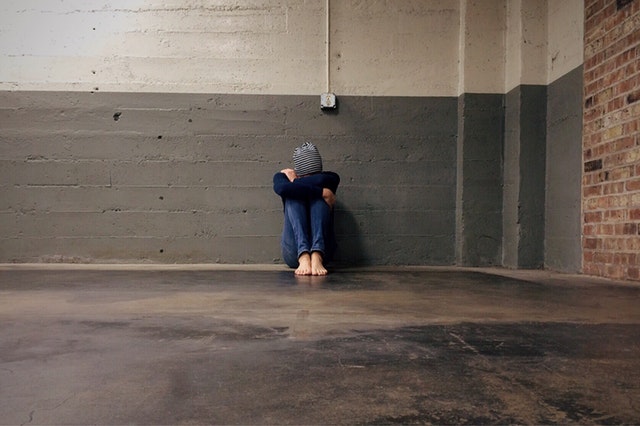
In our digitalized world, bullying many times goes beyond the school walls and moves to social media as well. It is usually more difficult to control, as posts, messages or images spread out of the victim's control. Therefore, it is important to control the sites that your child visits, set parental control on family devices and keep your child informed of the dangers of the internet. Parents should respect the age limits for social media sites, such as Facebook or Instagram.
Signs of Bullying
There are some warning signs and hints that parents can notice if their children are being bullied at school.Change in Behaviour
In first place, observe any significant change in your children’s mood, behavior or personality. If they suddenly become irritable, fearful, melancholic, or try to avoid company or activities they did before, it can be a sign of possible bullying. Unexplained marks, scratches or bruises or loss or damage of personal belongings, minor or valuable, are usually present in bullying cases. In these cases ask your children direct questions, such as “Your pencil case is broken. Did someone break it?” Observe their body language rather than the reply itself. Silence is usually an indicator too. Observing this is a great method of knowing how to spot signs of bullying.Change in Habits
A significant change in sleeping and eating habits might be a warning sign too. Bullied children tend to have difficulties to sleep and have nightmares. Younger learners might wet their beds again. Regarding eating, if someone is taking their lunch they will be starving when they reach home and will eat more than before, or you might find the opposite scenario, children who stop eating and claim not to be hungry anymore.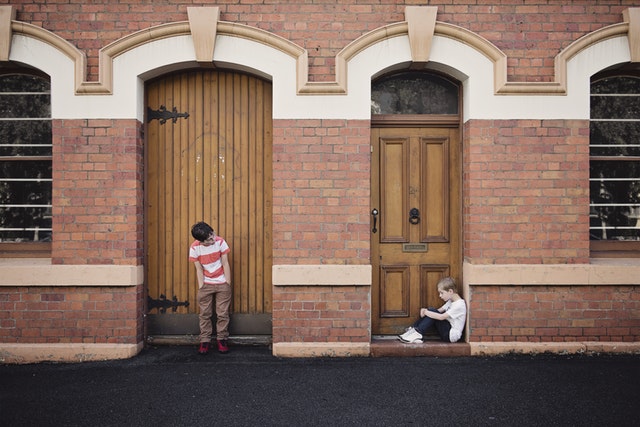
Complain of Physical Pain or Problems
When children are suffering bullying, health is impacted too, as the physical response to an emotional challenge. Learners usually complain of physical problems, such as head or stomach ache, menstruation in girls. They spend more time than the rest visiting the school nurse, and will try to be picked up and taken home. As mentioned before, changes in mood and personality are frequent. This is a great way of knowing how to spot signs of bullying. They can even become aggressive with younger siblings or parents, as an involuntary way to vent out the anger, fear and frustration they are undergoing.School Performance and Participation
Regarding school performance and participation, there might be a sudden and unexpected drop in grades. Bullied learners often refuse to participate in activities or clubs they enjoyed before, and seem to have fewer friends than before. They may refuse to make use of the school bus or go on educational trips, and suddenly become clingy in dispersal or arriving to school.In summary, there are a series of warning signs that will help you parents detect if your child is being bullied, but the most important recommendation that we could offer is keeping an open communication with your children, speak to them, listen to them, and in case there is the slightest suspect, discuss it with the homeroom teacher at school, for an immediate and effective intervention. Therefore, it is vital we as parents know how to spot the signs of
Author: Ms. Ana Dominguez, Vice-Principal
JBCN International School, Oshiwara.
FAQs
-
What are the warning signs of bullying in children?
Children who are bullied may show changes in mood, behavior, or habits, such as avoiding school, withdrawing from social activities, or experiencing unexplained physical injuries. They may also have trouble sleeping, changes in eating patterns, or a sudden drop in academic performance.
-
How can parents identify if their child is being bullied?
Parents should look for unusual behaviors like reluctance to go to school, damaged belongings, frequent complaints of illness, or signs of distress after using social media. Open communication and observing non-verbal cues can help identify bullying early.
-
What steps should parents take if bullying is suspected?
Parents should calmly talk to their child, reassure them of support, and gather details about the bullying incidents. Reporting concerns to the school and working with teachers and counselors can help address the issue effectively.
-
What are the long-term effects of bullying on children?
Bullying can lead to low self-esteem, anxiety, depression, and academic struggles. In severe cases, it may result in long-term emotional trauma, social withdrawal, and difficulty forming healthy relationships in the future.
Share