Published on: July 21, 2026
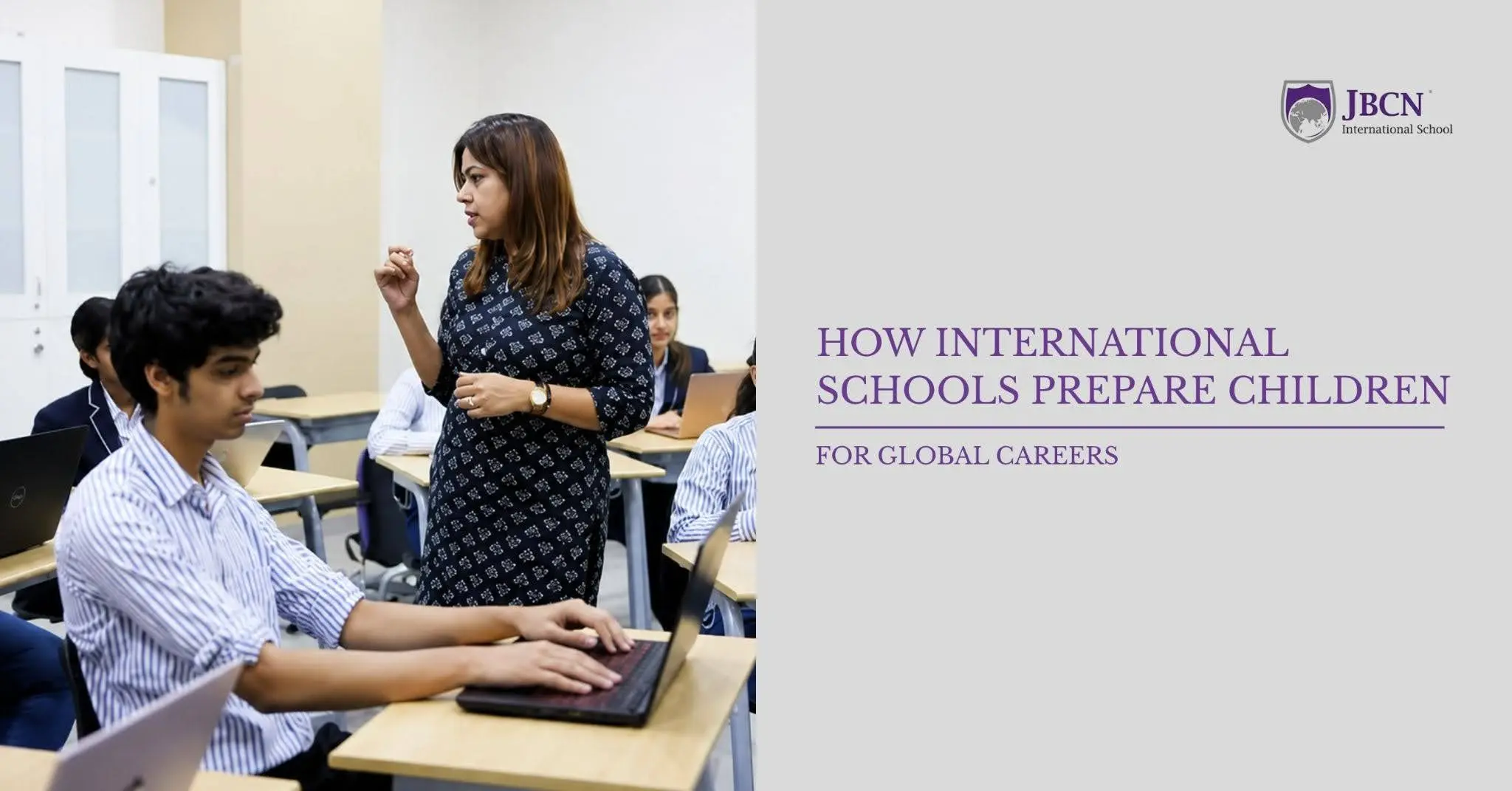
Parents today are raising children for a world of work that keeps changing shape. Degrees still matter, yet employers increasingly ask for thinking, communication, and adaptability.
Here is a grounded look at how international schools prepare children for global careers, and the skills that will carry them furthest.
What Global Career Readiness Means
Global career readiness is the mix of skills, mindset, and exposure a young person needs to work across borders and industries. A clear sense of what it involves makes the choice of school easier.
The Skills That Matter Most
Knowledge still counts, but the ability to apply it thoughtfully counts just as much. Thinking, communication, and adaptability travel across borders and industries.
How Readiness Is Built
An international curriculum builds this readiness gradually. Learning through inquiry and real projects mirrors how modern workplaces actually function.
The Skills International Schools Build
The key point is that international schools teach durable skills alongside academic content. Such skills outlast any single job or degree.
- Critical thinking, so a young person can weigh evidence and solve unfamiliar problems.
- Communication, in writing and speech, across different audiences.
- Research and self-management, built through independent projects.
- Collaboration, since most real work happens in teams.
- Adaptability, the confidence to keep learning as roles change.
How the Curriculum Develops These Skills
International curricula grow these skills through the way learning is designed, not as an add-on. Inquiry, projects, and reflection turn lessons into practice for real situations.
|
Skill |
How It Is Built |
|
Research |
Independent essays and inquiry projects |
|
Communication |
Presentations, discussion, and written analysis |
|
Collaboration |
Group projects and service learning |
|
Time management |
Long-form work with real deadlines |
|
Global awareness |
International perspectives across subjects |
In summary, the classroom itself becomes rehearsal for the demands of a global career.
Guidance That Connects Learning to Careers
Skills matter most when a child can point them toward a goal. Strong international schools pair learning with structured guidance that links subjects to universities and careers.
Career Counselling and Aptitude
Career counselling and aptitude assessment help a learner understand their strengths early. A clearer sense of direction makes subject choices feel purposeful rather than pressured.
University Guidance
University guidance connects subject choices to the courses and countries a learner is aiming for. Counsellors map requirements, deadlines, and applications so little is left to the final year.
Why Starting Early Helps
Starting early, this guidance turns broad ambition into a clear plan. A child who sees where a pathway leads tends to stay motivated and focused.
What Future Ready Education Looks Like
Future-ready education prepares a child for a world of work that keeps changing, blending academic depth with the skills, mindset, and global awareness that careers now ask for.
- Skills over recall, so a learner can apply knowledge to unfamiliar problems.
- Global awareness, built through international perspectives across subjects.
- Adaptability and self-direction, the habits that outlast any single role.
The Career Benefits of an International Curriculum
The international curriculum benefits that shape a career come from how it teaches, not only what it teaches. Daily inquiry, research, and collaboration build the career readiness skills that universities and employers value.
- Research and communication that transfer directly to study and work.
- Collaboration and leadership, practised through projects and service.
- Confidence to work across cultures, a real edge in global careers.
How JBCN Builds Future-Ready Learners
At JBCN International School, the EduCreative approach pairs academic depth with creativity and learning beyond the classroom. JBCN learners have maintained a 100% IBDP pass rate and earned placements at universities including Oxford, MIT, University of Cambridge, Stanford, LSE, King’s College, UCLA, Boston, Trinity, Imperial College of London, Cornell, and Carnegie Mellon.
For families exploring the wider picture, a guide to choosing the right board offers useful context.
Several strands build future readiness here:
- Career counselling begins from Grade 9, mapping university and career goals early.
- The iPROPEL programme spans innovation, performing arts, research and reasoning, outreach, physical fitness, experiential learning, and leadership alongside the core curriculum.
- Dedicated counsellors guide UCAS, the Common Application, and direct applications.
Begin the Conversation
The best way to see how a school builds future-ready learners is to visit and watch curiosity in action. A short campus tour shows you how everyday lessons quietly prepare a child for the world of work.
Speak with our admissions team to see how JBCN prepares learners for global careers.
Frequently Asked Questions
-
How Do International Schools Prepare Children for Careers?
International schools build durable skills such as critical thinking, communication, research, and collaboration through inquiry and real projects. Schools also pair learning with career counselling and university guidance that connect subjects to future goals.
-
What Career Skills Does an International Curriculum Teach?
An international curriculum develops research, communication, self-management, collaboration, and adaptability. The skills are built into everyday learning through essays, presentations, group work, and long-form projects with real deadlines.
-
Are International School Graduates Ready for Global Jobs?
International curricula focus on the thinking and communication that global workplaces value, alongside academic depth. Guidance from school helps learners align subjects and experiences with the careers they hope to pursue.
-
When Should Career Guidance Begin?
Earlier is better, so a child chooses subjects with intent. At JBCN, career counselling begins from Grade 9, mapping university and career options from the start of the senior pathway.
-
What Is the iPROPEL Programme at JBCN?
The iPROPEL programme develops innovation, performing arts, research and reasoning, outreach, physical fitness, experiential learning, and leadership. The programme runs alongside the core curriculum to build well-rounded, future-ready learners.
-
Does an International School Help With University Placement?
Yes. Dedicated counsellors guide UCAS, the Common Application, and direct applications, and align subjects with target courses. JBCN learners have secured placements at universities including MIT, Stanford, and Cornell.
Share