Published on: January 29, 2025
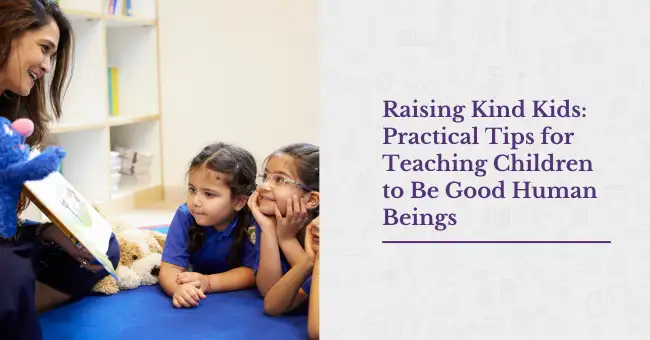
In a world that sometimes seems to prioritize individual success over collective well-being, raising kind kids has become more crucial than ever. Teaching kindness to kids enables them to understand and care for others, reduces harmful behaviors like bullying and promotes inclusivity. Children who are kind are more likely to grow into compassionate adults who contribute positively to society, creating a ripple effect of goodwill that benefits everyone. Ultimately, kindness nurtures both individual well-being and a healthier, more cooperative world.
As parents and educators we need to cultivate and raise kind children so that they grow up to be the best version of themselves. We can begin this rewarding journey, using these effective tips for teaching children to be compassionate and considerate:
Encourage Empathy
The empathy we show as adults serves as one of the most impactful lessons for our children. They observe everything we do, so when they see us practicing kindness in our daily interactions, apologizing when we make mistakes, and offering support to those in need, they internalize these behaviors. Demonstrate respectful language by frequently using phrases like “please,” “thank you,” and “excuse me.” Acknowledge and praise children when they choose kind words or handle conflicts calmly, reinforce these positive behaviors and encourage them to continue.
Acts of Kindness
Modeling empathy naturally leads to acts of kindness, which are simple yet powerful actions that show care and consideration for others. Whether it's helping a neighbor with groceries, offering a sincere apology, or listening to a friend in need, these everyday moments make a difference. By explaining these actions to children, we can help them understand that kindness is about being thoughtful, compassionate, and supportive. It’s important to show them why kindness matters — it builds connections, creates a positive environment, and spreads goodwill. Take a moment to explain these actions, help them understand why kindness matters. Here are some instances that happen in our daily lives. The key here is to make the child feel empowered throughout the process as we don’t want them to display them just in front of us but also in our absence.
Child: "Mom, what if someone at school doesn’t have lunch? Should I share mine?"
Parent: "Yes, that's a very kind thought. Sharing with others, especially when they need it, is a beautiful way to show kindness."
Rishika comforted Urvi when she told her about her close friend moving to another country. "I can understand why this is difficult. You value each other and are going to miss each other. How are you feeling?"
In both of these situations, kindness is experienced through actions, whether it's offering help or simply listening with empathy. Kindness can have different forms in different situations. In addition to modeling, different aspects of kindness can be explored using books, blogs, movies, and role-playing situations from various perspectives, helping children gain a broader outlook.
Teach gratitude
Now, this particularly tricky attribute cannot be preached but intentionally taught, and modeled. Practicing gratitude daily through actions, journaling, or writing thankful slips for a gratitude jar helps children understand its importance. During family meals or bedtime, go around and share one thing each person is grateful for. This simple practice helps children see gratitude as a regular part of the day. Encouraging thoughtful actions goes a long way in teaching children empathy and generosity.
Start a dialogue
While protecting children is an instinct, allowing them controlled exposure to real-world challenges can foster resilience and a deeper understanding of kindness. By sharing age-appropriate stories about world issues, discussing privileges and responsibilities, and guiding them through setbacks, we teach kids that kindness often requires courage and persistence. Engaging them in conversations about how they can help address challenges around them—whether in school or the community—gives them a sense of agency and purpose.
Create opportunities for helping others
Doing community service is a great way of opening doors to giving and receiving kindness. Children can have many opportunities to volunteer at homeless shelters, clean up drives, food drives, collecting donations, etc. Small acts of kindness at home like setting up the table, watering the plants, folding blankets can help them feel the joy of giving. This can foster a spirit of generosity and care for others.
In an era marked by diversity and global interconnectedness, teaching children kindness enhances their emotional intelligence, helping them empathize with others and form meaningful connections across cultural and social boundaries. This foundation not only supports mental health and resilience, but also prepares children for the future workplace, where teamwork, collaboration, and emotional intelligence are crucial.
In conclusion, raising kind children in today’s world goes beyond teaching manners—it's about inculcating deep values of empathy, gratitude, and social responsibility. By modeling kindness in our own actions, encouraging empathy, and providing opportunities for children to help others, we guide them toward becoming compassionate, thoughtful individuals who contribute positively to society. Through everyday actions and open dialogue, our school community empowers our learners to navigate challenges with resilience and kindness. With shared intentions and a collective spirit, the JBCN community truly embodies the notion that it takes a village to raise a child. The partnership between school and home can work wonders, as a holistic approach allows us to create a supportive environment where kindness isn't just encouraged—it's modeled, practiced, and nurtured by everyone. As Sadhguru wisely said, "Raise yourself, before you raise your kids." Our own journey of growth and self-awareness directly impacts the values we pass on, shaping a future where kindness and understanding lead the way.
Written by:
Saniya Sheikh and Prachi Mehta
JBCN International School, Parel
FAQs
-
Why is raising kind kids more important now than ever?
In a fast-paced world, raising kind kids ensures empathy and compassion stay central. Raising kind kids helps build inclusive communities and emotionally strong individuals.
-
Can structured activities aid in raising kind kids?
Yes—volunteering, role-play, and group tasks support raising kind kids. These actions reinforce behavior models that are essential for raising kind kids effectively.
-
What phrases help in raising kind kids during conflict?
Phrases like “How would you feel?” and “Let’s find a kind solution” work wonders when raising kind kids. Language shapes attitudes in the process of raising kind kids.
-
Is discipline compatible with raising kind kids?
Absolutely. Discipline done with empathy actually supports raising kind kids. Boundaries and kindness go hand-in-hand when the focus is on raising kind kids.
Share