Published on: May 23, 2025
"When we listen and celebrate what is both common and different, we become wiser, more inclusive, and better as an organization." - Pat Wadors
Why Inclusivity Matters
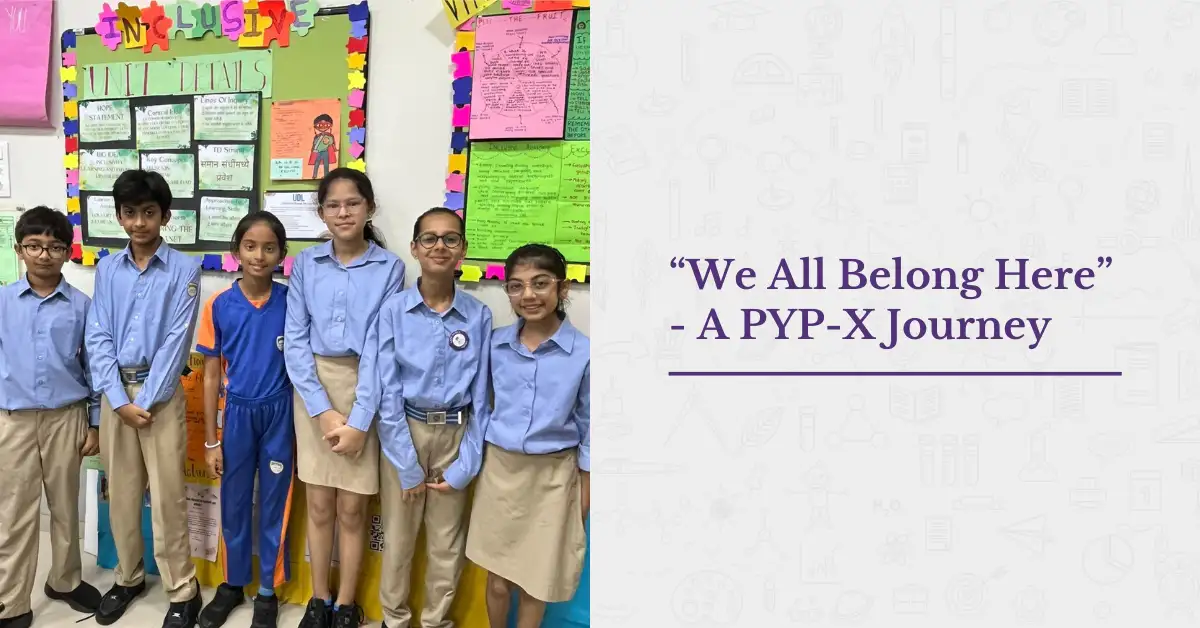
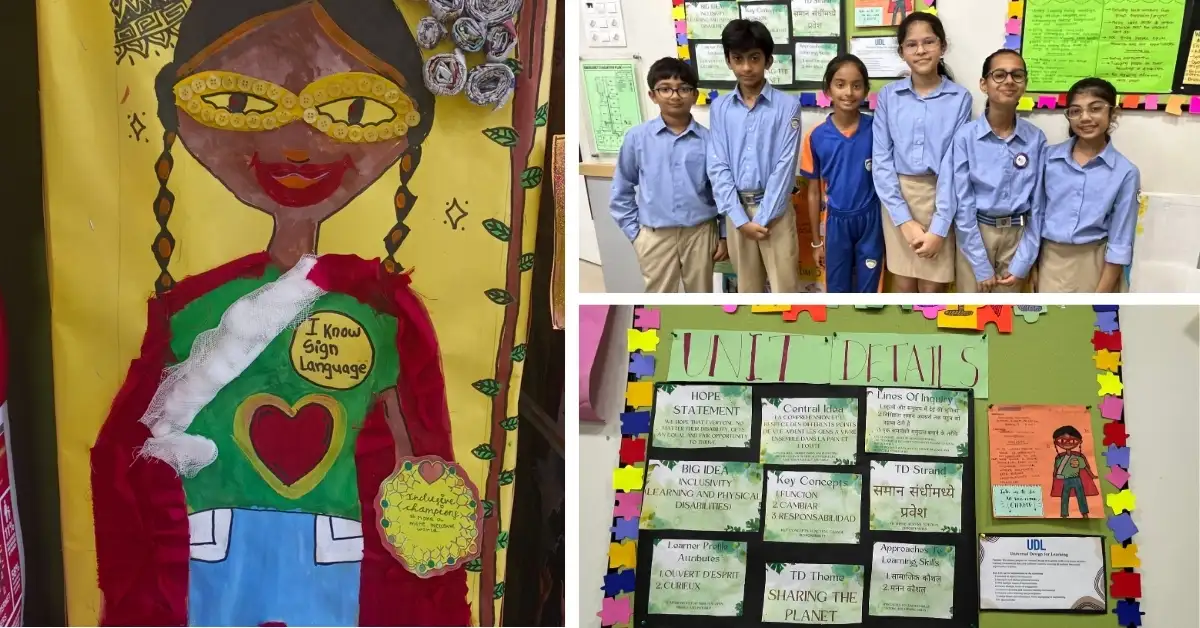
At JBCN International, we believe in learning beyond the classroom—and that means learning how to make every member of our school community feel seen, heard, and valued. As part of our PYP Exhibition (PYPx), our group from Grade 5 Otu chose to explore a theme that affects all of us: Inclusivity.
We focused especially on people with physical and learning disabilities, and asked ourselves:
Are we truly inclusive? What barriers might people still face, and what can we do about them?
Through weeks of research, interviews, field trips, and reflection, our aim was clear: to move from awareness to action. Here's what we learned—and how we made an impact.
What We Learned?
Inclusivity means creating a space where everyone is valued and can participate fully, whether in class, on the playground, or in activities. It's not just about being kind - it's about making sure systems, spaces, and attitudes are fair and supportive for everyone.
The UNICEF 2021 report on inclusive education says: "Inclusive education means all children in the same classrooms, in the same schools. It means real learning opportunities for groups who have traditionally been excluded." [UNICEF, 2021]
That includes children with:
- Physical disabilities (like using a wheelchair)
- Learning disabilities (like dyslexia or ADHD)
- Different language backgrounds
- Sensory needs (like autism or hearing challenges)
We learned that more than 240 million children worldwide live with some form of disability [UNICEF, 2021]. Many of them face barriers every day, not just in buildings and playgrounds, but in how people treat them or how lessons are taught.
According to the National Center for Learning Disabilities (NCLD), 1 in 5 students in schools may have a learning disability, like dyslexia or ADHD. Many of these students do not get proper support or understanding from their peers.
Children who are non-verbal or who use sign language often feel isolated because their primary way of communicating isn’t understood by others. Promoting basic sign language and inclusive communication methods helps create connection.
Our survey also gave us valuable insights into the experiences and perspectives within our school community. A powerful moment in our journey was a guest speaker session with employees from Mitti Café, where we had the opportunity to interact with individuals who are visually impaired, speech impaired, and physically challenged. They shared their personal stories, the challenges they encounter, and the ways they have overcome them with resilience and determination. One speaker shared a thought that deeply resonated with us: "Disability isn’t about what a person can or cannot do; it’s about how the environment supports them." This powerful message stayed with us and gave us a new lens through which to view inclusivity.
During our field trip to Ishaara, a café where employees communicate through sign language, we were introduced to basic sign language and learned how a mute team member navigates daily interactions. Listening to their story of perseverance helped us realize how every individual has their own unique challenges, and it reminded us of the importance of valuing people for who they are, not just what they can do.
What We Noticed at School?
JBCN International School fosters an inclusive environment by implementing personalized support through its robust Enrichment Cell. The school also emphasises a collaborative approach, involving learners, parents, teachers, and counsellors in creating individualised education plans. This ensures that each learner's needs are met and that they receive appropriate support. The elevators also have braille in them. JBCN's teaching & learning approach extends beyond academics, embracing the celebration of diverse festivals and the teaching of a wide range of life skills.
Taking Action: From Research to Impact
As part of our action, we transformed our learning into meaningful steps.
- We published a book named 'Fight With, Not Against.'
- Proposed the installation of ramps at the school gate to improve accessibility.
- Designed a blueprint for an AI-powered wheelchair.
- Created an Inclusivity Word Wall, filled with thoughtful contributions from primary learners.
What can you do to be Inclusive?
You might be wondering: "What can I do?" Everything starts with a small change.
Here are a few simple ways to start:
- Listen when someone shares their perspective or needs.
- Include everyone in group work, even if they learn differently.
- Learn about disabilities- don't be afraid to ask respectful questions.
- Speak up if you see someone being excluded.
- Celebrate differences- they make our school stronger!
Remember, Inclusion isn't just a thing we "do" once. It's a mindset, a habit, and a choice we make every day. In the words of George Dei, "Inclusion is not bringing people into what already exists. It is making a new space, a better space, for everyone."
Join us to be an INCLUSIVE CHAMP!!!
Sources:
UNICEF. (2021). Inclusive education. Retrieved from https://www.unicef.org/education/inclusive-education
National Center for Learning Disabilities. (2020). The State of Learning Disabilities. Retrieved from https://ncld.org
NCLD, 2020 – Learning Disabilities Report
WHO, 2011 – World Report on Disability
Written by: The Inclusive Champions -
Samaira Seth, Grade 5 Learner
Prishika Shah, Grade 5 Learner
Ishaan Bang, Grade 5 Learner
Vehana Sanghvi, Grade 5 Learner
Aarna Singh, Grade 5 Learner
Rivaan Shah, Grade 5 Learner
Mentor:
Ms Vidya Narayanan & Ms Venetia Mahboobani
JBCN International School Parel
Share