Published on: November 22, 2024
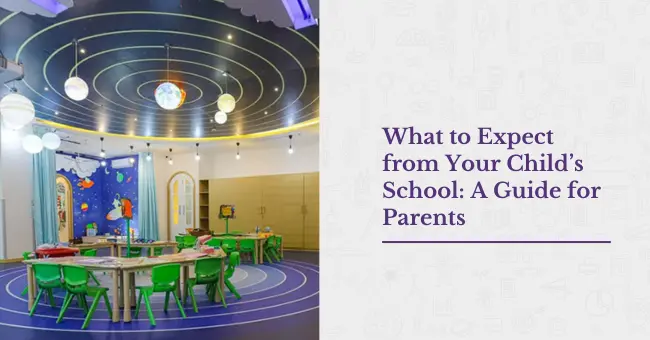
As parents, you want to ensure that your children are set up for success, not only academically but also emotionally and socially. Schools play a vital role in shaping a child’s future, and understanding what to expect at each stage, whether it's Pre-Primary, Primary, or Secondary, can help you feel more confident and involved in your child’s educational journey. Let’s explore what you as parents can expect from your child’s school at different stages of their development.
Pre-Primary: Laying the Foundation for Lifelong Learning
The early years play a vital role in your child’s future. These foundational years are all about building emotional security, developing social skills, and fostering a love for learning.
What to Expect:
Warm, Nurturing Environment
At the pre-primary stage, one of the most important things parents can expect from a school is a nurturing and safe environment. The school should provide a space where your child feels welcomed, loved, and secure. This emotional foundation is key to helping them build the confidence they need to thrive in their future learning experiences.
Structured Routine
The pre-primary stage is often when children are introduced to routines that strike a balance between play, learning, and social interaction. The daily schedule should include activities that promote cognitive development, fine and gross motor skills, as well as creative and imaginative play. Look for schools that incorporate play-based learning, as it lays the groundwork for building future academic skills in an engaging and meaningful manner.
Settling into School
Starting school can be overwhelming for both parents and children. Many schools help ease this transition through gradual separation techniques, orientation sessions, and regular communication with parents. This support helps children (and parents!) adjust to the new routine, ensuring that your child’s first experience of school is a positive one.
Social Skills Development
Pre-primary is where children start to develop critical social skills such as sharing, cooperation, and communication. Through group activities and play, they learn how to interact with their peers, laying the foundation for future relationships both in and out of school.
Primary: Structured Learning and Personal Growth
As your child moves into primary school, the focus shifts towards more structured academic learning while continuing to nurture their social and emotional development.
What to Expect:
Holistic Curriculum
Parents should expect a well-rounded curriculum that goes beyond core subjects to include art, music, physical education, and social studies. These subjects not only enrich learning experiences but also allow children to discover their individual interests and talents.
Community Service and Social Outreach
Many schools integrate community service and social outreach activities, fostering a sense of responsibility and compassion in students. Participating in these initiatives teaches children the value of giving back to society and helps them understand their role in the community.
Progression and Academic Tracking
At this stage, you can expect ongoing assessments that help track your child's academic progress. Schools should provide feedback to parents, offering insights into areas where your child excels and areas where they may need additional support. Regular communication between the school and home is crucial in ensuring that your child is growing and learning to the best of their abilities.
Social and Emotional Development
While academics are important, schools should continue to focus on your child's emotional intelligence. Expect programs that teach empathy, resilience, and conflict resolution. These skills are not only essential for a well-rounded education but also help children navigate the social dynamics of school life and beyond.
Secondary: Preparing for the Future
By the time your child reaches secondary school, the focus expands to include career planning, university preparation, and life beyond the classroom. The aim at this level is to ensure learners are equipped with the knowledge, skills, and emotional resilience they need to succeed in the next stage of life.
What to Expect:
Career Guidance and University Placements
As children near the end of their secondary school journey, career guidance becomes a crucial part of their education. Schools should offer robust career counselling programs, helping them explore different fields of interest and align their strengths with potential future careers. Additionally, support for university placements is critical. Schools should assist with university applications, entrance exam preparation, and access to scholarship opportunities.
Advanced Curriculum and Electives
Secondary school offers more specialised courses and electives that allow learners to delve deeper into subjects that interest them, from sciences and humanities to arts and technology. This is also the stage where learners can pursue extracurricular activities that not only enrich their academic profile but also contribute to personal growth.
Personal, Social, and Emotional Development
Secondary school can be a challenging time for many adolescents, who may face academic pressure, peer relationships, and the emotional complexities of growing up. Schools should provide comprehensive emotional and mental health support, including access to counsellors, peer mentoring programs, and workshops on stress management. Emotional resilience, empathy, and self-awareness are just as crucial as academic success during this phase.
Personal, Social, and Emotional Development Across All Stages
From the very beginning of your child's school journey, their social and emotional development is as important as academic learning. Schools should prioritise creating an inclusive environment that fosters emotional intelligence, resilience, and a sense of belonging. Whether your child is in pre-primary, primary, or secondary school, they should be learning not just how to excel academically but also how to navigate relationships, manage their emotions, and face challenges with confidence.
Conclusion
Understanding what to expect from your child's school at each stage of their education can help you feel more involved in their development. From the nurturing foundations laid in pre-primary, the structured learning of primary, to the career guidance and university placement support in secondary, schools play a crucial role in shaping not just academic success, but the personal and social growth of each child. By staying engaged and connected with your child’s school, you can help guide them through each step of their educational journey, preparing them for a bright and promising future.
Written by:
Deepti Modha | Head of Pre-Primary
JBCN International School, Chembur
FAQs
-
What to expect from school in your child’s first year?
In the first year, what to expect from school includes structured routines, basic social learning, and gradual academic exposure. Understanding what to expect from school helps ease parental anxiety.
-
Should parents have a checklist for what to expect from school?
Yes, having a clear checklist of what to expect from school—like teacher interaction, safety, curriculum focus—can guide your school selection. Knowing what to expect from school avoids surprises.
-
How do different boards change what to expect from school life?
With IB, ICSE, or CBSE, what to expect from school varies in pace, methodology, and assessment. Each board redefines what to expect from school, based on its teaching philosophy.
-
How does understanding what to expect from school reduce stress for kids?
Discussing what to expect from school prepares kids for routines, friendships, and challenges. This clarity around what to expect from school makes the transition smoother and less overwhelming.
Share