
Published on: December 2, 2024
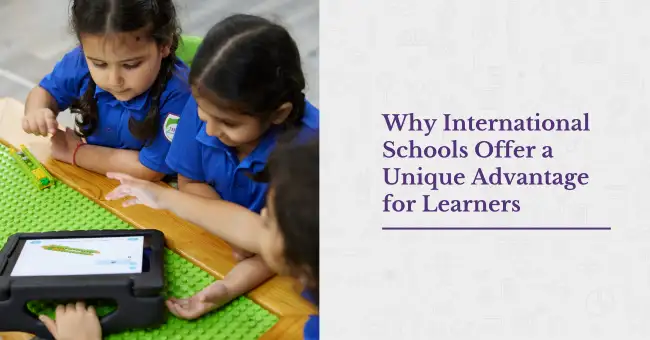
As India's educational landscape is transitioning, international schools within the country are redefining how learners are prepared for the future. Parents see the incredible value of a global education in today's connected world. These schools foster holistic growth, celebrate cultural diversity, and teach skills that prepare learners for local and international success. With this well-rounded approach, learners gain a unique edge that helps them flourish wherever their future may lead.
Here's a closer look at why international schools in India are an empowering choice for today's generation.
Learning the World: A Curriculum with Global Relevance
International schools in India adopt globally recognised curricula, such as the International Baccalaureate (IB), Cambridge International, or American and British systems. These programmes are designed to develop academic prowess, critical thinking, problem-solving, and research skills. With real-world applications and interdisciplinary learning, learners are encouraged to explore topics in-depth and make meaningful connections between subjects—a powerful preparation for higher education and professional environments.
Embrace Diversity: The Eclectic Learning Environment of International Schools
International schools in India are known for their vibrant, multicultural environment. With students and teachers from around the globe, these schools create an exciting atmosphere where different perspectives are welcomed and celebrated. This exposure to diverse cultures fosters open-mindedness, empathy, and a global outlook—essential in today's interconnected world. Daily interactions with peers from different backgrounds also equip children with the adaptability and collaborative skills needed to thrive in multicultural environments and diverse teams.
Holistic development beyond academics
International schools in India are dedicated to nurturing the learner experience, extending their focus beyond academics. They offer rich arts, sports, technology, community service opportunities, and rigorous academic programmes. Many schools integrate leadership skills, environmental awareness, and social responsibility into their curriculum, encouraging learners to grow beyond academics and develop a well-rounded character. Through these experiences, learners build confidence, creativity, and resilience—essential for a balanced and meaningful life.
Future-ready skills and technology integration
As you know, preparing learners for tomorrow's careers requires more than traditional academics. International schools in India often embrace cutting-edge technology, project-based learning, and essential digital skills for the modern age. Learners are encouraged to explore coding, digital arts, design thinking, and entrepreneurship, building a strong foundation for a tech-driven world. This forward-thinking approach fosters adaptability and a love for lifelong learning, crucial for thriving in today's ever-evolving industries.
Supportive learning environment with individual attention
International school classes tend to be smaller, allowing teachers to focus on each child's unique learning style and needs. This personalised approach encourages learners to reach their full potential with teachers who provide tailored support and guidance. Besides, International schools in India often employ learning support teams and counselling services to help learners navigate academic, emotional, and social challenges, creating a nurturing and supportive environment.
Pathways to leading global universities
A key advantage of International schools in India is their strong reputation among top universities worldwide. With globally recognised diplomas and a rigorous academic foundation, graduates from these schools are highly valued by universities in the UK, the US, Canada, Europe, Australia, South-East Asia and beyond. The skills, discipline, and cultural awareness nurtured in international school environments give learners a competitive edge, positioning them as exceptional candidates for higher education and career success.
Bringing home a world of opportunities
By choosing an International school in India, parents open doors to a world where learning is not confined by borders but expanded by possibilities. This education prepares learners to succeed academically, lead, collaborate, and thrive in a rapidly changing world. With an emphasis on innovation, empathy, and adaptability, international schools don't just equip learners for the future—they inspire them to shape it.
Written by:
JBCN International School, Oshiwara
FAQs
-
How do the advantages of international schools benefit children long-term?
The long-term advantages of international schools lie in academic rigor, adaptability, and exposure to international standards. Students thrive professionally due to these advantages of international schools.
-
Are the advantages of international schools worth the higher cost?
Though fees may be higher, the advantages of international schools—like advanced infrastructure and multiculturalism—often justify the investment. These advantages of international schools enhance both academics and life skills.
-
How do parents assess the advantages of international schools before enrolling?
Parents evaluate teacher quality, curriculum flexibility, and extracurricular offerings to weigh the advantages of international schools. School visits help clarify the real advantages of international schools.
-
Do the advantages of international schools apply equally to all students?
While the advantages of international schools benefit many, individual needs matter. For some students, the structured diversity and learning style among the advantages of international schools may be ideal.
Share