
Published on: August 12, 2026
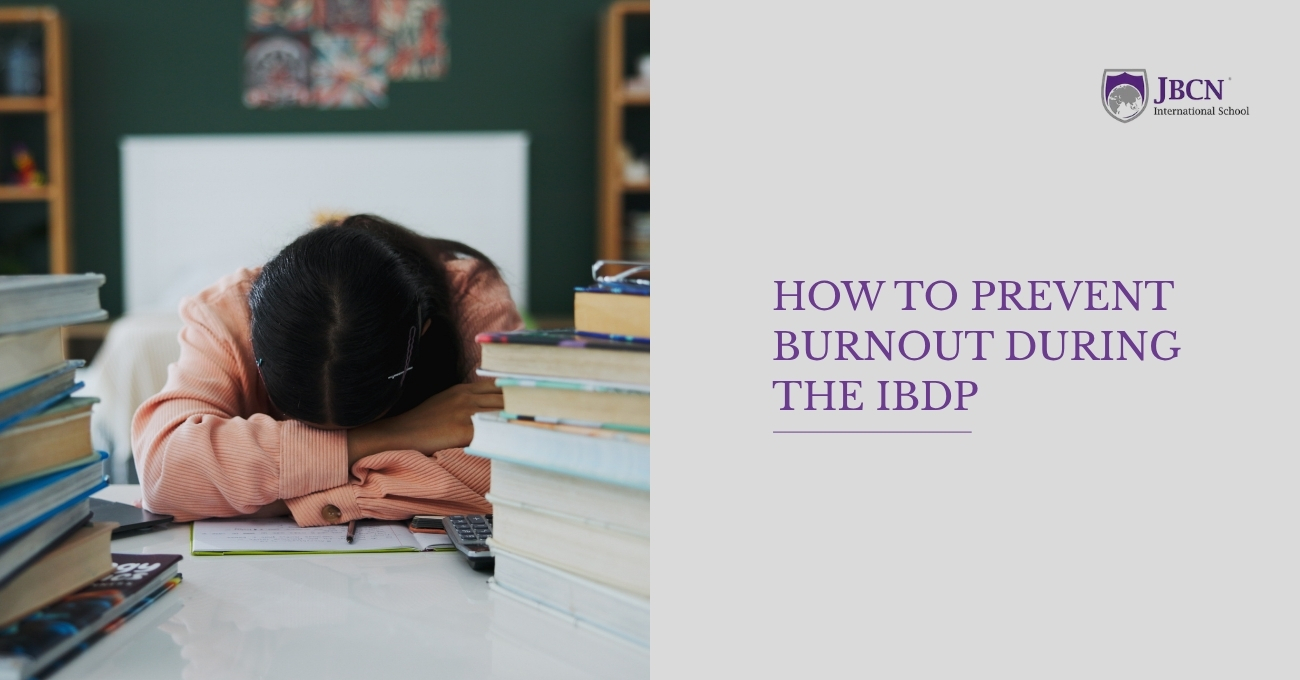
Burnout is not the same as being tired. Tired is what you feel after a hard week of mocks. Burnout is what happens when you have been running on empty for so long that the exhaustion has become structural. You wake up without motivation. Work that used to feel manageable now feels impossible. You stop caring about outcomes you once cared about deeply.
In the IB Diploma, burnout is genuinely common. Understanding what it is, how to recognise it early, and how to prevent it without compromising performance is one of the most important things an IB student can learn.
What Burnout Actually Is
Psychologist Christina Maslach describes burnout as chronic stress leading to three outcomes: emotional exhaustion, detachment from work and people, and a reduced sense of personal accomplishment. In IB students this looks like:
- Persistent fatigue that does not improve with sleep
- Loss of interest in subjects that were previously engaging
- Increasing procrastination combined with increasing anxiety about the procrastination
- Physical symptoms without clear medical cause: frequent headaches, recurring minor illnesses, physical tension
- Social withdrawal and increased isolation
- Increased irritability or emotional volatility
Burnout is not laziness, anxiety, or depression. It is a genuine physiological and psychological depletion that requires a real response, not a motivational push.
Why the IB Creates Specific Burnout Risk
- Duration and sustained intensity: The IB runs for approximately 20 months at high pressure. The human nervous system is not designed for 20 months of continuous intensity without adequate recovery.
- Simultaneous multi-domain demands: Six subjects, three core components, university applications, and normal developmental pressures of being 17 or 18. The breadth is one of the IB’s genuine educational strengths and also a primary burnout risk factor.
- No clear off switch: Continuous assessment with IA deadlines, EE milestones, CAS documentation, and TOK requirements spread across two years means there is rarely a point at which the student can genuinely stop and recover.
- Enormous perceived stakes: For many students, the Diploma feels like a singular gate through which their entire future passes. This perception of stakes, whether or not it is accurate, is a significant driver of chronic stress.
Prevention: What Actually Works
Protect Sleep
Adolescents need eight to ten hours of sleep for healthy cognitive function. Chronic sleep deprivation, even moderate deprivation of one to two hours per night, produces measurable impairment in memory consolidation and analytical thinking, which are precisely what IB examinations test. Late-night studying that sacrifices sleep is often counterproductive: the quality of work produced under sleep deprivation is lower and the retention of studied material is poorer.
Build Genuine Recovery Into Every Week
Recovery does not mean scrolling through a phone. Passive consumption of digital content does not produce the neural downtime that genuine recovery requires. Recovery means physical activity, time in nature, creative engagement with no outcome attached, genuine social connection, and leisure that involves being rather than consuming. Students who protect this time consistently across two years are far less likely to deplete to burnout.
Maintain One or Two Non-Academic Commitments
The common advice to drop everything non-academic and focus entirely on the Diploma is wrong for most students. The sport played genuinely for enjoyment, the creative practice pursued without outcome attached, the friendships maintained with genuine investment, are often what most effectively prevent burnout by maintaining a sense of identity that exists outside the IB.
Pace the Programme From Grade 11
Students who front-load IA work in Grade 11, make genuine EE progress before Grade 12, and consolidate material progressively enter Grade 12 with a manageable workload rather than an overwhelming one. The students who burn out most severely typically arrive in Grade 12 with multiple unfinished IAs, an unstarted Extended Essay, and a CAS portfolio needing significant catching up, all competing with university applications, TOK, and examination preparation simultaneously.
When Burnout Has Already Happened
- Name it honestly: Burnout is not laziness or weakness. It is a genuine state of depletion. Students who judge themselves harshly delay seeking support, which makes recovery longer.
- Tell someone: A parent, teacher, or school counsellor. Burnout managed in isolation is harder to recover from. At JBCN School, the counselling team and pastoral staff are specifically trained to support students experiencing burnout.
- Rest before returning to work: Two or three days of significantly reduced workload combined with sleep and genuine downtime often produces more recovery than an equivalent period of continued intensive work.
- Recalibrate rather than catastrophise: Burnout in Grade 11 does not determine Grade 12 outcomes. Burnout in Grade 12 does not determine May examination results. Recovery is possible at almost any point if addressed early and honestly.
A Note for Parents
Family conversations that focus primarily on grades and university outcomes amplify the pressure that drives burnout. Watching for the warning signs described above, and taking them seriously rather than attributing them to attitude or laziness, is one of the most valuable things a parent can do.
Creating a home environment that protects sleep, allows genuine downtime, and maintains the non-academic dimensions of family life sends a message that your child’s wellbeing matters independent of their results. Students who receive that message consistently are both happier and, in the research evidence, more likely to perform well.
What JBCN Does
At JBCN School, burnout prevention is treated as a whole-school obligation. The academic calendar is structured to avoid avoidable deadline clustering. IA milestones are staggered across subjects. The Extended Essay programme runs from Grade 11 to reduce Grade 12 pressure.
Pastoral staff and counsellors conduct regular individual check-ins with students across both years, with specific attention to warning signs of burnout including declining engagement, increasing absence, and visible changes in affect. Students showing these signs are supported proactively, not waited for to come forward.
The Bottom Line
Burnout during the IB is preventable. It is not a sign of weakness when it happens, and it is not unrecoverable when it does. It is prevented not by working less but by working more intelligently, resting more genuinely, maintaining more of the non-academic life that makes you a person rather than just a student, and pacing the programme sustainably from Grade 11.
Want to understand how JBCN supports student wellbeing alongside academic excellence? Speak to our admissions team or attend one of our open days.
Frequently Asked Questions
-
Is burnout common in IB students?
Yes. The IB Diploma's sustained intensity across 20 months, simultaneous demands across six subjects and three core components, and high perceived stakes make burnout genuinely common among IB students.
-
What are the signs of burnout in IB students?
Key warning signs include persistent fatigue that does not improve with sleep, loss of interest in previously engaging subjects, increasing procrastination combined with anxiety, physical symptoms without clear medical cause, and social withdrawal.
-
How can IB students prevent burnout?
The most effective prevention strategies are protecting sleep, building genuine recovery into every week, maintaining one or two non-academic commitments, and pacing long-term IB projects from Grade 11 so Grade 12 is not overwhelmed.
-
What should IB students do if they are already burned out?
Name it honestly, tell a trusted adult or school counsellor, take genuine rest before returning to work, and recalibrate the approach rather than catastrophising. Burnout is recoverable at almost any point in the programme if addressed early.
Related Reading
- How Parents Can Support Their Child’s Mental Well-being During the IBDP
- Managing Exam Pressure During the IB Diploma
- What Two Years of the IB Diploma Really Feels Like
- Success Tips for IB Learners
Share