
Published on: August 31, 2026
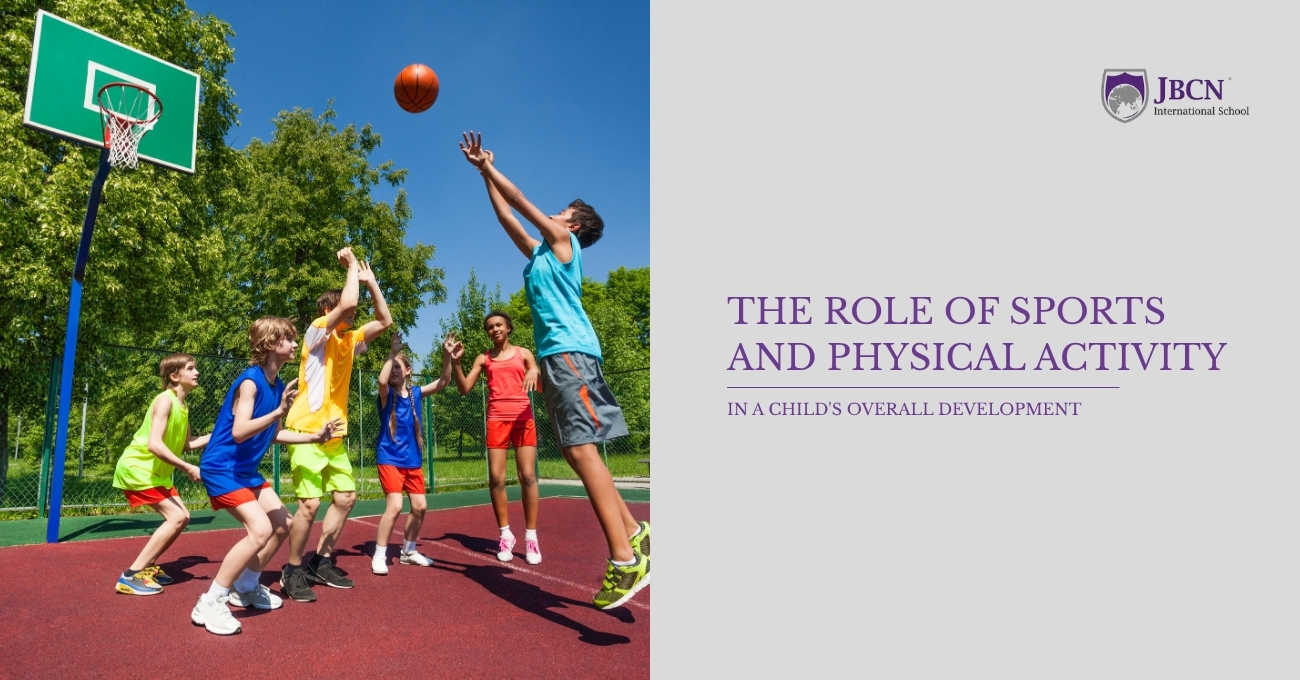
Many parents quietly treat sport as a break from the real work of studying, something nice to have once the homework is done. The truth is closer to the opposite. Sports and physical activity are not a pause from a child's development; they are one of the engines that drive it, shaping the body, the mind, and the character all at once.
How Sports Shape A Child's Overall Development
Physical activity touches far more than fitness. Movement works on four sides of a child at once, which is why it sits at the heart of holistic child development.
Physical Health And Fitness
Regular activity builds strong bones and muscles, a healthy heart, and good coordination. Active children also tend to hold a healthy weight, sleep better, and carry more energy through the school day. Habits formed young tend to last a lifetime.
Emotional Strength And Confidence
Sport is a steady source of confidence. Learning a new skill, losing a match and coming back, and seeing effort pay off all build resilience, and the link between movement and mood supports social and emotional learning. Activity is also one of the simplest ways to ease stress and anxiety.
Social Skills And Teamwork
Team games teach children how to cooperate, share, take turns, and handle both winning and losing with grace. A child learns to lead and to follow, to trust teammates, and to settle disagreements on the field. Such skills are the social muscles they will use for the rest of their lives.
Focus And Academic Performance
Far from stealing time from studies, activity tends to sharpen them. Movement improves concentration, memory, and the discipline of showing up and practising. A child who trains regularly often brings that same focus back to the classroom.
The Importance Of Sports In Education
Good schools do not bolt sport on as an afterthought. The best build it into the day, because the importance of sports in education runs right alongside academics rather than competing with it.
Sport belongs with the wider set of extracurricular activities that round out a child. The benefits of sport for learners show up right across their school life.
- Discipline and routine that carry over into study habits
- Teamwork and leadership that classrooms alone rarely teach
- A healthy outlet for energy, stress, and competitive drive
- A sense of belonging through houses, teams, and tournaments
Choosing The Right Physical Activity For Your Child
The best activity is the one your child will actually keep doing. A little thought about age, temperament, and balance goes a long way.
Match The Activity To Their Age
Young children need free, playful movement more than formal drills, so running, climbing, and games matter most in the early years. As children grow, structured sports and clear skills suit them better. Let the activity grow with the child.
Follow Their Interests
A child who loves the water will stick with swimming far longer than one pushed into it. Offer a range, from team sports to athletics, dance, or martial arts, and follow what lights them up. Enjoyment is what turns activity into a lasting habit.
Balance Sport With Studies
Sport should support school, not swamp it. A realistic weekly rhythm that leaves room for rest, study, and family time keeps a child fresh rather than burnt out. Watch for tiredness, and adjust before it becomes a problem.
How Much Physical Activity Children Need
Parents often ask how much is enough, and there is a clear answer to lean on. The World Health Organization recommends that children and adolescents aged 5 to 17 get at least 60 minutes of moderate to vigorous physical activity every day.
- The 60 minutes can be spread across the day, not done all at once
- A mix of aerobic activity, plus movement that strengthens muscles and bones, works best
- Everyday play, walking, and cycling all count toward the total
- Less screen time and more active time is the simple guiding rule
How JBCN Supports Sport And Active Learning
At JBCN, physical activity is treated as part of a full education, not a reward for finishing academics. As an international school in Mumbai, the focus is on developing the whole child, in body as much as in mind.
- Sport and physical education sit within the regular school week for every Learner
- Experience-led learning keeps children active and hands-on rather than sitting still all day
- Skill-based programmes such as iPROPEL give Learners a stage for teamwork, fitness, and performance
- From the early primary years, movement and play are woven into how children learn
Take The Next Step
A confident, healthy, well-rounded child is built as much on the field as in the classroom. Come and see how we balance academics with sport and active learning, and ask how it would look for your child.
Speak with our admissions team at the JBCN campus nearest you.
Frequently Asked Questions
-
Why Are Sports Important For A Child's Development?
Sports build physical health, emotional resilience, social skills, and focus, all at the same time. A child who plays regularly tends to be fitter, more confident, and better at teamwork. The habits and discipline also carry over into schoolwork.
-
Does Sport Affect A Child's Academic Performance?
Yes, and usually for the better. Physical activity improves concentration, memory, and discipline, which support learning rather than taking away from it. The key is a sensible balance that leaves enough time for study and rest.
-
How Much Physical Activity Should A Child Get Each Day?
The World Health Organization recommends at least 60 minutes of moderate to vigorous activity a day for children aged 5 to 17. The 60 minutes can be spread across the day and should mix aerobic movement with muscle and bone-strengthening play. Everyday walking, cycling, and games all count.
-
What Is The Best Sport For Your Child?
The best sport is the one your child enjoys enough to keep doing. Match it to their age and interests, and offer a few options rather than forcing one. Enjoyment, not a particular sport, is what builds a lasting habit.
-
How Does Sport Support Holistic Development?
Holistic development means growing the whole child, and sport touches body, mind, emotions, and social skills together. Sport teaches teamwork, resilience, and discipline that classrooms alone cannot. That is why schools treat it as core, not optional.
Share